
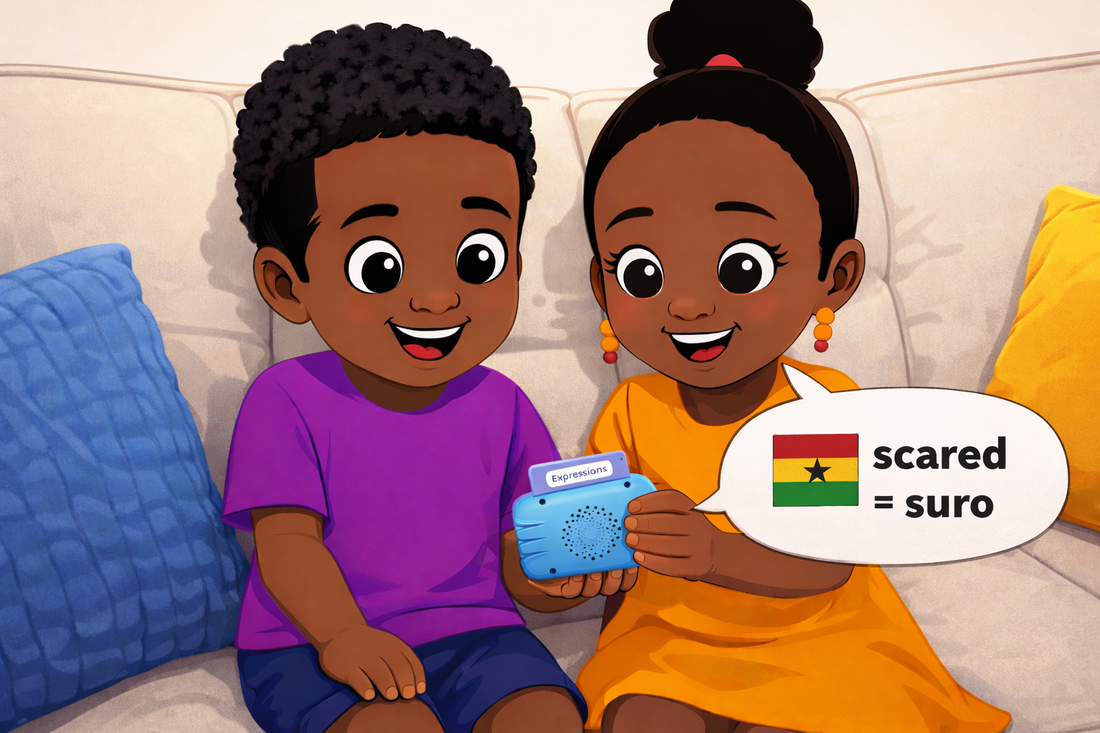
Many parents wonder when the best time is for their child to start learning a second language. Research shows that early childhood is the most powerful time for language learning. During the first few years of life, a child’s brain is naturally wired to absorb sounds, words, and patterns from different languages.
When children hear and repeat words regularly, language becomes something they experience naturally rather than something they struggle to learn later.
The Benefits of Early Language Learning
Stronger Memory
Learning new words strengthens memory and improves a child’s ability to retain information.
Better Communication Skills
Children exposed to multiple languages often develop stronger listening and speaking skills.
Cognitive Flexibility
Learning another language helps children become better problem-solvers and more adaptable thinkers.
Cultural Connection
For many families in the diaspora, language is an important part of identity. Teaching children their heritage language helps them feel more connected to their culture and family history.
Learning Through Play
The most effective way for young children to learn language is through play, repetition, and sound. When learning feels like a fun activity rather than a lesson, children become naturally curious and eager to repeat what they hear.
Tools like audio flashcards allow children to listen, repeat, and explore words at their own pace, helping them build confidence with every new word they learn.
Starting early doesn’t just teach children vocabulary — it helps them develop a lifelong relationship with language and culture.